








Introduction
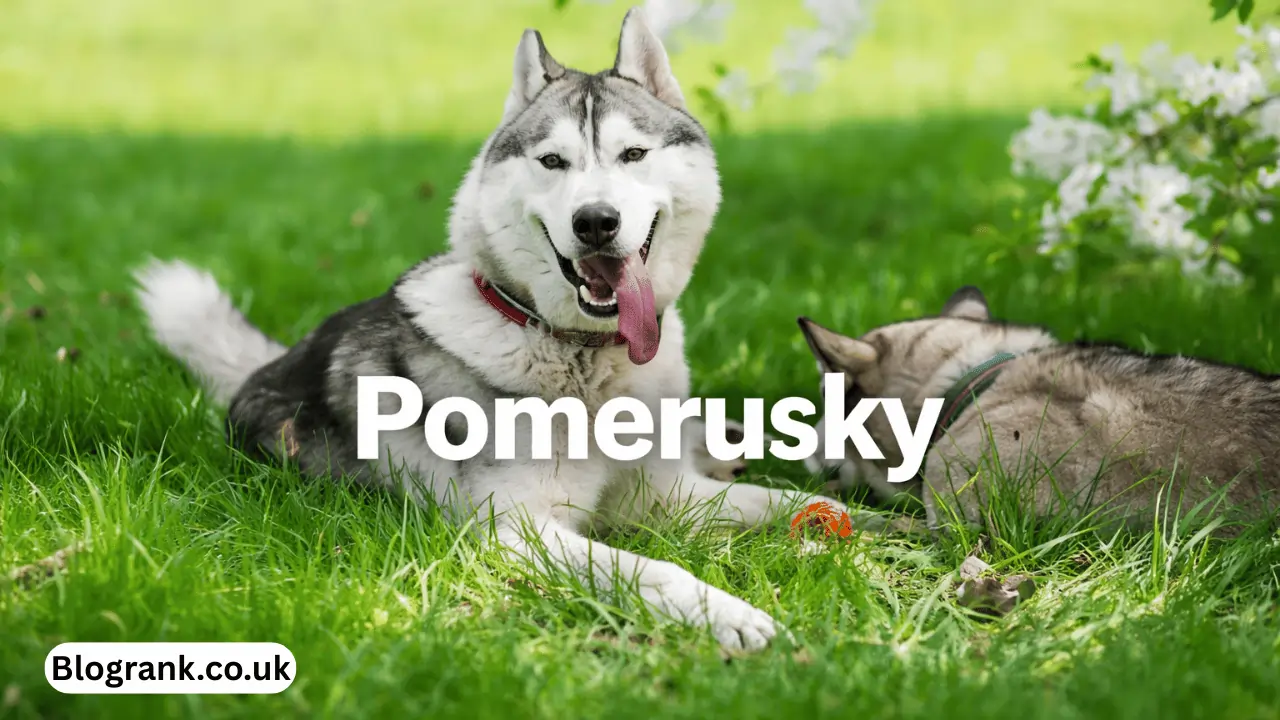
The word pomerusky is becoming increasingly popular among dog lovers who are searching for a small dog with the striking appearance of a husky. A pomerusky refers to a mixed breed created by combining a Pomeranian and a Siberian Husky. This combination results in a dog that carries both beauty and personality in a compact size.
Many people are attracted to the pomerusky because it looks like a miniature husky, but there is much more to this breed than just appearance. Understanding its traits, care needs, and behavior is important before making a decision.
What is a Pomerusky
A pomerusky is a designer dog breed developed by crossing a Pomeranian with a Siberian Husky. The goal of this mix is to create a smaller version of a husky that is easier to manage in a home environment.
Unlike purebred dogs, a pomerusky does not have a fixed standard. This means that each dog can look and behave differently depending on which parent breed has a stronger influence.
This uniqueness is one of the reasons why the pomerusky has gained so much attention in recent years.
Origin and Development
The pomerusky is a relatively new breed that started gaining popularity in the early 2010s. It became widely known through social media, where images of small husky-like dogs quickly went viral.
Due to the size difference between the parent breeds, breeding a pomerusky is not always straightforward. Professional breeders use controlled methods to ensure safe breeding.
There are different variations of the pomerusky depending on genetic percentages:
- Equal mix of both parents
- More Pomeranian traits
- More Husky traits
Each variation affects the dog’s size, coat, and temperament.
Appearance and Physical Features
One of the most attractive qualities of a pomerusky is its appearance. These dogs often inherit the best visual traits from both parent breeds.
Size and Weight
A pomerusky is generally small to medium in size:
- Height ranges from 10 to 18 inches
- Weight can vary between 5 to 20 kilograms
The size depends largely on the genetic makeup of the dog.
Coat and Colors
The pomerusky usually has a thick and fluffy double coat. Common coat colors include:
- Black and white
- Gray and white
- Brown
- Mixed patterns
Many pomerusky dogs display the signature facial markings of a husky, which adds to their appeal.
Eyes and Expression
Eye color can vary, but blue eyes are highly desired and commonly seen in pomerusky dogs. Some may also have brown or mixed-colored eyes. Their facial expressions are often lively and expressive.
Personality and Temperament
The pomerusky is known for its energetic and intelligent nature. However, personality can vary depending on which parent breed is more dominant.
Common Traits
- Active and playful
- Intelligent and curious
- Loyal to owners
- Sometimes stubborn
Some pomerusky dogs may inherit the vocal nature of the husky, which means they can bark or make howling sounds.
Behavior with Families
A pomerusky can be a good companion for families if properly trained. Early socialization helps them adjust well to people and other pets.
Exercise and Activity Requirements
Even though a pomerusky is smaller than a husky, it still requires regular exercise to stay healthy and happy.
Daily Activity Needs
- At least 45 to 60 minutes of exercise
- Walks and playtime
- Mental stimulation through toys or training
Without enough activity, a pomerusky may develop behavioral issues such as boredom or excessive noise.
Grooming and Care
The pomerusky requires consistent grooming due to its thick coat.
Grooming Routine
- Brush the coat two to three times a week
- Increase brushing during shedding seasons
- Bathe occasionally
- Trim nails regularly
- Clean ears to prevent infections
Shedding is a common trait in pomerusky dogs, so regular grooming is necessary to manage loose hair.
Health and Lifespan
The pomerusky is generally considered a healthy breed, but like all dogs, it can inherit certain health conditions.
Common Health Concerns
- Dental issues
- Eye problems
- Joint-related concerns
Lifespan
A healthy pomerusky can live between 12 to 15 years. Proper care, balanced nutrition, and regular veterinary checkups can help maintain their health.
Is a Pomerusky the Right Choice
Before choosing a pomerusky, it is important to evaluate whether your lifestyle matches the needs of this breed.
Suitable For
- Active individuals
- Families who can give time and attention
- People willing to handle grooming
Not Suitable For
- Busy individuals with little free time
- Those looking for a low-maintenance pet
- People sensitive to shedding
The pomerusky thrives in an environment where it receives care, attention, and proper training.
Why the Pomerusky is So Popular
The growing popularity of the pomerusky is linked to its unique appearance and engaging personality.
Key Reasons
- Looks like a small husky
- Highly photogenic and social media friendly
- Playful and interactive nature
- Unique combination of traits
However, it is important to choose this breed for the right reasons and not just because of its appearance.
Conclusion
The pomerusky is a remarkable designer breed that combines the charm of a Pomeranian with the striking looks of a Siberian Husky. It offers a balance of beauty, intelligence, and companionship.
Owning a pomerusky requires commitment, especially in terms of grooming, exercise, and attention. For those who are prepared to meet these needs, the pomerusky can be a loyal and rewarding companion.
FAQs About Pomerusky
1. What does pomerusky mean
A pomerusky is a mixed breed dog created by crossing a Pomeranian and a Siberian Husky.
2. How big can a pomerusky grow
A pomerusky can grow between 10 to 18 inches in height and weigh between 5 to 20 kilograms.
3. Is a pomerusky easy to train
A pomerusky is intelligent but can be slightly stubborn, so consistent training is important.
4. Does a pomerusky require a lot of grooming
Yes, a pomerusky has a thick coat and requires regular brushing and grooming.
5. Is a pomerusky good for families
Yes, a pomerusky can be a good family pet if it is properly trained and socialized.
You May Also Read: Wifekivers: Meaning, Origin and Modern Relationship Insights Guide