










Introduction
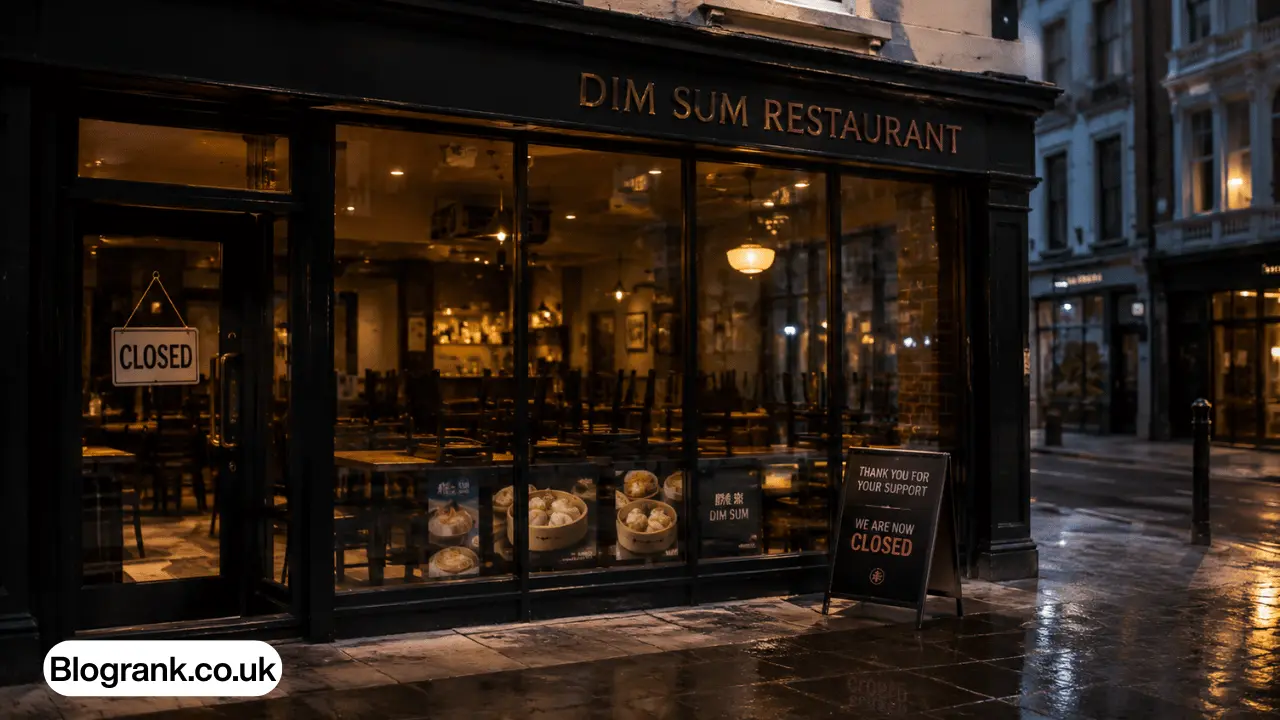
The news of the ping pong restaurant closures uk shocked many food lovers across London and other parts of the country. For nearly two decades, Ping Pong was known as one of the most recognizable casual dining brands in the UK. The restaurant chain built its reputation through affordable dim sum, stylish interiors, cocktails, and a social dining atmosphere that attracted young professionals, families, students, and tourists.
At its peak, Ping Pong operated several successful restaurants across London and became a well-known name in the casual dining industry. However, despite its popularity, the company eventually closed all of its remaining locations in 2025.
The story behind the ping pong restaurant closures uk reflects the wider challenges currently affecting the British restaurant industry. Rising costs, inflation, changing customer habits, and post-pandemic financial pressure created major problems for many restaurant businesses, including Ping Pong.
The Beginning of Ping Pong Restaurants
How Ping Pong Became Popular
Ping Pong first launched in London in 2005 with a modern approach to traditional dim sum dining. Unlike many conventional Chinese restaurants at the time, Ping Pong introduced a fresh dining experience that combined stylish interiors with smaller sharing dishes and affordable prices.
Customers were attracted by:
- Steamed dumplings and dim sum platters
- Group dining experiences
- Cocktail menus
- Bottomless brunch deals
- Trendy restaurant interiors
The brand quickly became popular in busy parts of London, especially among office workers and younger customers looking for casual social dining.
Expansion Across London
As customer demand increased, the company expanded rapidly and eventually operated around 13 locations across London. Some of the best-known branches included:
- Soho
- Southbank
- Bow Bells House
- St Christopher’s Place
The company’s rapid growth helped establish Ping Pong as one of the leading casual dining chains in the city.
Main Reasons Behind Ping Pong Restaurant Closures UK
Rising Operational Costs
One of the biggest factors behind the ping pong restaurant closures uk was the increasing cost of running restaurants in the UK.
Over the past few years, hospitality businesses have faced major financial pressure because of:
- Higher energy bills
- Increased rent expenses
- Rising food ingredient prices
- Staff wage increases
- National Insurance contribution increases
- Higher business rates
For restaurant chains operating multiple branches, these costs became extremely difficult to manage. Even restaurants with strong customer traffic struggled to maintain healthy profit margins.
Inflation also forced many restaurants to increase menu prices, but higher prices often reduced customer spending.
Post-Pandemic Financial Pressure
The COVID-19 pandemic caused serious disruption across the UK hospitality sector. Restaurants were forced to close temporarily during lockdowns, and many businesses lost large amounts of revenue.
Although restaurants reopened after restrictions ended, customer habits had already changed. More people started ordering takeaways, cooking at home, or limiting restaurant visits altogether.
Ping Pong reportedly struggled to fully recover from the financial losses created during the pandemic years. Reduced foot traffic in busy city areas also affected sales, especially in locations that depended heavily on office workers and tourists.
The ping pong restaurant closures uk became another example of how difficult recovery has been for many restaurant chains after the pandemic.
Changing Consumer Spending Habits
Cost-of-Living Crisis Impact
The rising cost of living in the UK changed how consumers spent money on dining and entertainment.
Households across the country faced:
- Higher utility bills
- Increased grocery prices
- Mortgage and rent pressure
- General inflation
As a result, many people started reducing non-essential spending, including restaurant visits.
Casual dining chains such as Ping Pong were heavily affected because customers became more selective about eating out. People who previously visited restaurants regularly began choosing cheaper options or dining out less frequently.
This shift in spending behavior placed additional financial pressure on restaurant chains already struggling with rising operating costs.
Financial Restructuring Challenges
Attempts to Save the Business
Reports suggested that Ping Pong explored restructuring options and financial solutions to keep the business operating. However, the company was unable to secure enough long-term stability to continue running all locations.
Many restaurant chains across the UK have attempted similar restructuring efforts in recent years due to difficult market conditions. Some businesses managed to survive by reducing locations or changing business models, while others eventually closed completely.
Unfortunately, Ping Pong could not overcome the financial challenges facing the business.
Controversy Around the Brand Charge
Customer and Staff Reactions
The company also faced criticism after introducing a “brand charge” system linked to payments and staff tipping.
The issue created negative discussions among customers and worker groups who questioned how tips and service charges were handled. Although this controversy was not the main reason behind the closures, it added negative attention during an already difficult period for the company.
In the hospitality industry, public perception plays an important role in maintaining customer loyalty. Negative publicity can affect customer confidence, especially when businesses are already facing financial problems.
Final Restaurant Closures in London
Last Remaining Locations
Before the final shutdown, Ping Pong had already reduced the number of operating branches significantly. The final restaurants included:
- Soho
- Southbank
- Bow Bells House
- St Christopher’s Place
When the closures were officially announced, many loyal customers reacted emotionally on social media. Some described the restaurants as an important part of London’s dining culture for nearly 20 years.
The ping pong restaurant closures uk marked the end of one of the city’s most recognized dim sum chains.
What Ping Pong Closures Mean for the UK Restaurant Industry
Growing Pressure on Hospitality Businesses
The ping pong restaurant closures uk highlight the growing challenges currently affecting the hospitality industry across the country.
Restaurants and pubs throughout the UK are dealing with:
- Rising operational expenses
- Reduced customer spending
- Inflation pressure
- Increased labor costs
- Expensive energy bills
Many well-known restaurant chains have already reduced locations or shut down branches in recent years.
Independent restaurants are also struggling to survive in competitive markets where rent and business costs continue rising.
The closure of a recognized brand like Ping Pong shows that even established businesses are not protected from current economic difficulties.
Could Ping Pong Return in the Future?
Some restaurant brands return years later under new ownership or with smaller business models. Although many customers hope Ping Pong could eventually reopen in some form, there are currently no official announcements regarding a return.
For now, the closures remain a major moment in London’s casual dining history.
Conclusion
The ping pong restaurant closures uk reflect the serious financial pressure facing restaurants throughout the country. Rising costs, inflation, post-pandemic recovery struggles, and changing consumer behavior created major challenges for the business.
Despite building a strong reputation over nearly two decades, Ping Pong was unable to survive the difficult economic conditions affecting the hospitality industry.
For many customers, Ping Pong was more than just a dim sum restaurant. It was a familiar social dining destination known for affordable food, group dining, and modern city atmosphere. Its closure represents another major loss for the UK casual dining sector.
FAQs
1. Why did Ping Pong restaurants close in the UK?
Ping Pong restaurants closed because of rising operating costs, inflation, reduced customer spending, and financial struggles after the pandemic.
2. When did the ping pong restaurant closures uk happen?
The remaining Ping Pong restaurants officially closed in 2025 after operating for nearly 20 years.
3. How many Ping Pong restaurants were operating at the company’s peak?
The chain reportedly operated around 13 restaurant locations during its peak years.
4. Which were the last Ping Pong restaurant branches?
The final branches included Soho, Southbank, Bow Bells House, and St Christopher’s Place in London.
5. Could Ping Pong restaurants reopen in the future?
There are currently no confirmed plans for reopening, although some restaurant brands return later under new ownership or smaller formats.
You May Also Read: UK Toy Chain Entertainer Store Closure: Tesco Expansion and UK Retail Changes