










Introduction
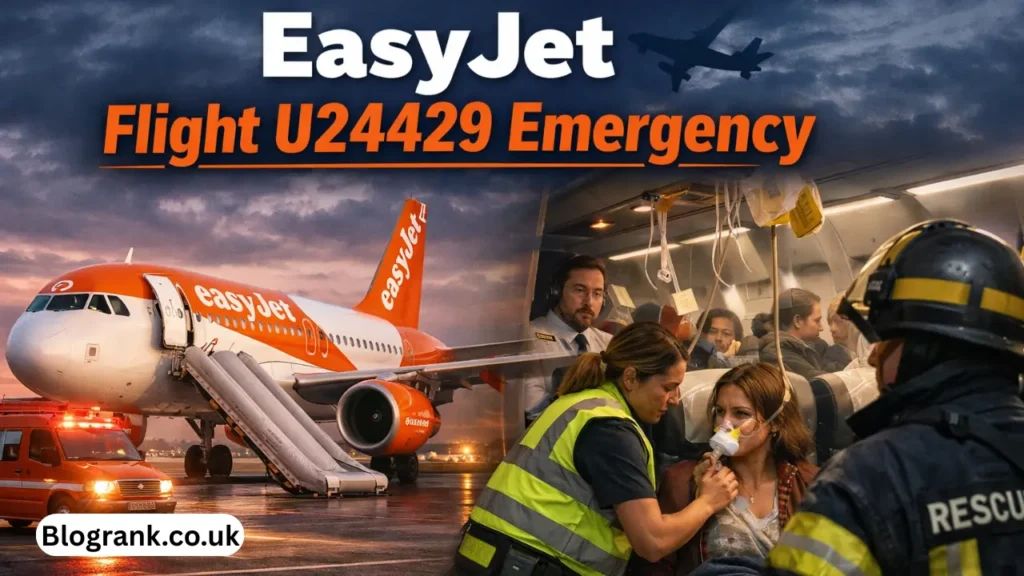
Air travel incidents always draw attention, especially when they involve unexpected human behavior rather than technical faults. The easyjet flight u24429 emergency is one such case that raised serious questions about onboard safety and passenger management. What started as a routine flight quickly turned into an emergency situation, forcing the aircraft to return shortly after takeoff.
This incident not only highlights the importance of strict aviation protocols but also shows how quickly situations can escalate in confined environments like an aircraft cabin.
Flight Details and Initial Situation
The easyjet flight u24429 emergency involved a scheduled flight operated by easyJet from Lyon, France to Porto, Portugal. The aircraft used for this route was an Airbus A320, a commonly used and reliable commercial airplane.
Key Flight Information
- Flight Number: U24429
- Departure: Lyon
- Destination: Porto
- Aircraft Type: Airbus A320
The flight departed with a slight delay but initially showed no signs of technical issues. Everything appeared normal during takeoff, and passengers expected a standard journey.
What Caused the EasyJet Flight U24429 Emergency
The easyjet flight u24429 emergency was not caused by mechanical failure or weather conditions. Instead, the situation was triggered by a passenger experiencing a severe mental health episode.
Passenger Behavior and Escalation
Shortly after takeoff, a 26-year-old passenger began acting unpredictably. The situation quickly escalated when:
- The passenger showed signs of distress and confusion
- Behavior turned aggressive and disruptive
- The individual attempted to move toward the cockpit
Attempting to access the cockpit is considered a serious security threat in aviation. At this point, the situation became critical, and immediate action was required.
Timeline of Events During the Incident
Understanding the sequence of events helps explain how the easyjet flight u24429 emergency unfolded so rapidly.
Key Moments
- Flight takes off from Lyon
- Passenger disturbance begins within minutes
- Crew identifies the situation as a potential threat
- Pilots issue a squawk 7700 emergency signal
- Aircraft turns back toward Lyon
- Safe landing completed within approximately 45 minutes
The quick response ensured that the situation remained under control despite the seriousness of the threat.
Crew Response and Passenger Assistance
One of the most important aspects of the easyjet flight u24429 emergency was the professional handling of the situation by the crew.
How the Situation Was Controlled
Cabin crew members acted immediately once the passenger became aggressive. With assistance from other passengers:
- The individual was restrained safely
- The cabin environment was stabilized
- Panic among passengers was minimized
Meanwhile, the pilots followed standard aviation procedures and coordinated with air traffic control for a priority landing.
The ability of the crew to remain calm and act quickly played a major role in preventing further escalation during the easyjet flight u24429 emergency.
Understanding Squawk 7700 in Aviation
During the easyjet flight u24429 emergency, the pilots used a squawk 7700 code. This is an internationally recognized emergency signal used in aviation.
What Squawk 7700 Means
- Indicates a general emergency onboard
- Alerts air traffic control immediately
- Gives the aircraft priority handling
- Ensures a clear path for landing
The use of this signal allowed the aircraft to return to Lyon without delay and receive immediate support from ground authorities.
What Happened After Landing
Once the aircraft landed safely, emergency services were already prepared to handle the situation.
Post-Landing Actions
- Police boarded the aircraft
- The passenger was removed and taken for medical evaluation
- Authorities assessed the situation for safety and legal concerns
No injuries were reported among passengers or crew members, which highlights how effectively the easyjet flight u24429 emergency was managed.
After resolving the issue, the flight was later able to continue its journey to Porto.
Aviation Safety and Unruly Passenger Trends
The easyjet flight u24429 emergency reflects a broader trend in the aviation industry. While technical failures have decreased due to modern engineering, incidents involving passenger behavior are becoming more noticeable.
Key Concerns in Modern Air Travel
- Increase in disruptive passenger incidents
- Growing need for mental health awareness
- Importance of crew training in conflict management
Airlines continue to invest in training programs to ensure that crews are prepared for situations similar to the easyjet flight u24429 emergency.
Lessons Learned from the Incident
There are several important takeaways from the easyjet flight u24429 emergency that apply to both airlines and passengers.
Important Insights
- Quick decision-making is critical in emergencies
- Crew training can prevent dangerous situations
- Passenger cooperation supports safety efforts
- Strong cockpit security remains essential
- Mental health awareness is increasingly important in travel
These lessons reinforce the idea that aviation safety depends on both systems and human behavior.
Conclusion
The easyjet flight u24429 emergency serves as a clear example of how unexpected situations can arise even on routine flights. Despite the seriousness of the incident, the calm and professional response from the crew ensured a safe outcome for everyone onboard.
This event highlights the strength of modern aviation safety systems and the importance of preparedness. It also reminds passengers that safety in air travel is a shared responsibility.
FAQs About EasyJet Flight U24429 Emergency
1. What caused the easyjet flight u24429 emergency?
The emergency was caused by a passenger experiencing a severe mental health episode and attempting to approach the cockpit.
2. How long did the incident last?
The situation was handled within approximately 45 minutes from takeoff to landing.
3. Was the aircraft damaged during the emergency?
No, there were no reports of any damage to the aircraft.
4. Did the flight reach its final destination?
Yes, after handling the situation in Lyon, the flight later continued to Porto.
5. What does squawk 7700 indicate?
Squawk 7700 is a general emergency signal used by pilots to alert air traffic control and receive immediate assistance.
You May Also Read: Fraudee: Complete Guide to Meaning, Risks and Online Safety Tips