










Introduction
For many teenagers and young shoppers, Claire’s was more than just an accessories store. It was one of the most recognizable names inside shopping malls, known for trendy jewelry, colorful fashion items, makeup products, and ear-piercing services. For years, the brand attracted millions of customers and became a major part of youth fashion culture.
However, the story of claire’s accessories collapse shocked both loyal customers and retail experts. A company that once operated thousands of stores across different countries suddenly faced bankruptcy, heavy debt, and large-scale store closures. The downfall of Claire’s did not happen overnight. Several financial and market-related problems slowly weakened the business over time.
The discussion around claire’s accessories collapse also highlights major changes happening in the global retail industry. Traditional mall-based stores are struggling to survive as online shopping, social media trends, and fast-fashion companies continue changing consumer behavior.
The Early Success of Claire’s
A Popular Destination for Teen Shoppers
Claire’s became successful by targeting young customers looking for affordable accessories and trendy fashion products. The company offered items that appealed directly to teenagers, including earrings, necklaces, bracelets, hair accessories, cosmetics, and seasonal fashion trends.
The brand became especially famous for ear piercing services. Many young customers visited Claire’s for their first ear piercing, making the store emotionally memorable for families and teenagers alike.
Growth During the Mall Culture Era
The company expanded rapidly during the peak years of shopping mall popularity. In the late 1990s and early 2000s, malls were major social destinations where teenagers spent time shopping, eating, and meeting friends.
Claire’s benefited heavily from this environment because its products were designed for impulse purchases. Customers walking through malls often entered stores to browse low-cost accessories and trendy items. This strategy helped the company grow internationally and open thousands of locations worldwide.
Heavy Debt Became a Serious Financial Burden
Financial Pressure Increased Over Time
One of the biggest reasons behind claire’s accessories collapse was the company’s growing debt. Over the years, Claire’s accumulated billions of dollars in financial obligations after ownership changes and leveraged buyouts.
Although the company remained well-known, its profits were no longer strong enough to manage rising financial pressure. Large debt payments limited the company’s ability to invest in technology, store improvements, marketing, and digital expansion.
Bankruptcy Could Not Fully Solve the Problems
Claire’s first filed for bankruptcy in 2018 in an attempt to restructure its finances and reduce debt. The company hoped the restructuring process would help stabilize operations and improve long-term profitability.
While the bankruptcy temporarily reduced some financial pressure, the core business challenges remained. Sales continued declining as shopping habits changed, and the company struggled to compete with modern online retailers.
The continued financial instability eventually strengthened concerns surrounding claire’s accessories collapse and raised questions about the future of the brand.
Declining Mall Traffic Hurt Store Sales
Shopping Habits Changed Worldwide
Claire’s relied heavily on shopping malls for customer traffic. As malls became less popular, the company experienced a significant drop in sales.
Consumers increasingly shifted toward online shopping because it offered greater convenience, lower prices, and faster access to products. Younger generations preferred shopping from mobile apps and online marketplaces instead of visiting physical stores.
The decline of mall culture became one of the strongest factors contributing to claire’s accessories collapse.
The Pandemic Made Retail Conditions Worse
The COVID-19 pandemic created additional challenges for physical retail businesses. Temporary lockdowns, reduced foot traffic, and changing consumer behavior caused severe financial damage across the retail industry.
Since Claire’s depended on in-store shopping experiences and impulse buying, the pandemic created another major setback for the business. Many shopping centers struggled to recover even after restrictions ended.
Online Retailers Created Intense Competition
Fast-Fashion Companies Changed Consumer Expectations
The rise of online retailers dramatically changed the accessories market. Companies like Shein, Temu, and Amazon introduced cheaper products, faster trend updates, and more aggressive digital marketing strategies.
Social media platforms also influenced purchasing decisions. Teen shoppers increasingly discovered fashion trends through TikTok, Instagram, and influencers instead of traditional mall stores.
Claire’s struggled to compete with brands that could launch new fashion products quickly and sell them at extremely low prices.
Price Competition Became Difficult
Traditional retailers face higher operational costs, including rent, employee wages, and store maintenance expenses. Online companies operate differently and can often offer lower prices because they have fewer physical retail costs.
This price difference became another major factor behind claire’s accessories collapse, as younger shoppers focused more on affordability and fast-changing online fashion trends.
Store Closures and Business Decline
Hundreds of Locations Shut Down
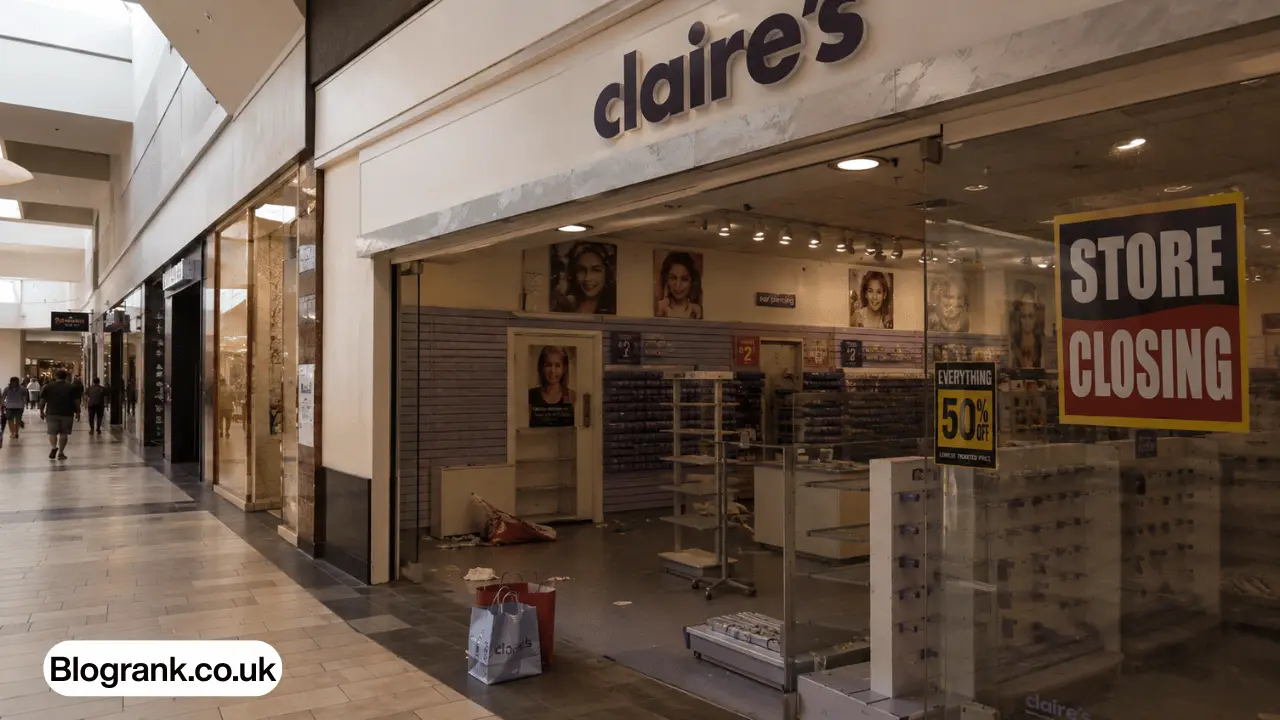
As financial losses increased, Claire’s started closing stores across multiple countries. Many locations in North America, the United Kingdom, and Europe stopped operating due to declining sales and rising business costs.
Thousands of employees were affected by layoffs and store shutdowns. In many areas, the closure of Claire’s stores symbolized the continuing decline of traditional mall retailers.
Retail Experts Warned About Long-Term Challenges
Retail analysts described claire’s accessories collapse as part of a larger retail transformation affecting many established brands. Businesses that failed to adapt quickly to digital shopping trends faced increasing financial pressure.
Several traditional retailers experienced similar struggles as e-commerce companies continued gaining market share worldwide.
Claire’s Attempted to Rebuild Its Brand
New Strategies Targeted Younger Audiences
Despite major financial difficulties, Claire’s attempted several recovery strategies to modernize its image and reconnect with younger shoppers.
The company introduced updated store designs, expanded digital marketing efforts, and focused on Gen Z and Gen Alpha customers. Claire’s also invested in influencer campaigns and social media branding to remain competitive in the fashion industry.
Smaller Stores and Modern Retail Concepts
Some recovery plans included smaller-format stores and more interactive retail experiences designed to attract modern consumers. These efforts aimed to create shopping environments that felt more engaging and personalized.
Although these strategies helped improve the company’s public image, the future of the brand still remains uncertain due to ongoing competition and changing retail trends.
What Businesses Can Learn From Claire’s Collapse
Retail Brands Must Adapt Quickly
The story of claire’s accessories collapse shows how quickly consumer behavior can change. Retail businesses that depend too heavily on outdated shopping trends often struggle to survive in modern markets.
Today’s consumers expect convenience, fast delivery, affordable pricing, and constantly updated fashion products. Companies that fail to meet these expectations risk losing customers to more flexible competitors.
Financial Stability Matters
Claire’s also demonstrates the risks associated with excessive debt. Even globally recognized brands can face serious problems if financial obligations become too difficult to manage.
Strong financial planning, digital growth, and market adaptability are now essential for long-term success in the retail industry.
Conclusion
The story behind claire’s accessories collapse reflects the changing reality of modern retail. Claire’s was once one of the most popular accessories brands for teenagers and mall shoppers, but rising debt, declining mall traffic, online competition, and shifting consumer behavior gradually weakened the company.
Although the brand continues exploring recovery opportunities, its struggles remain an important example of how the retail industry has transformed over the past decade. The collapse of Claire’s shows that even well-known companies must continuously adapt to survive in an increasingly digital and competitive marketplace.
FAQs
1. What caused claire’s accessories collapse?
The main reasons included heavy debt, declining mall traffic, online competition, inflation, and changing shopping habits among younger consumers.
2. Did Claire’s file for bankruptcy?
Yes, Claire’s filed for bankruptcy as part of efforts to reduce debt and restructure its business operations.
3. Why did Claire’s close many stores?
The company closed stores because of declining sales, reduced customer traffic in malls, and financial losses.
4. How did online shopping affect Claire’s?
Online retailers offered lower prices, larger product selections, and faster trend updates, making competition difficult for Claire’s.
5. Is Claire’s still operating today?
Yes, Claire’s still operates in some markets and continues attempting recovery through rebranding and modernization efforts.
You May Also Read: Nicks Masonry: Professional Brick, Stone and Chimney Repair Solutions for Homes