










Introduction
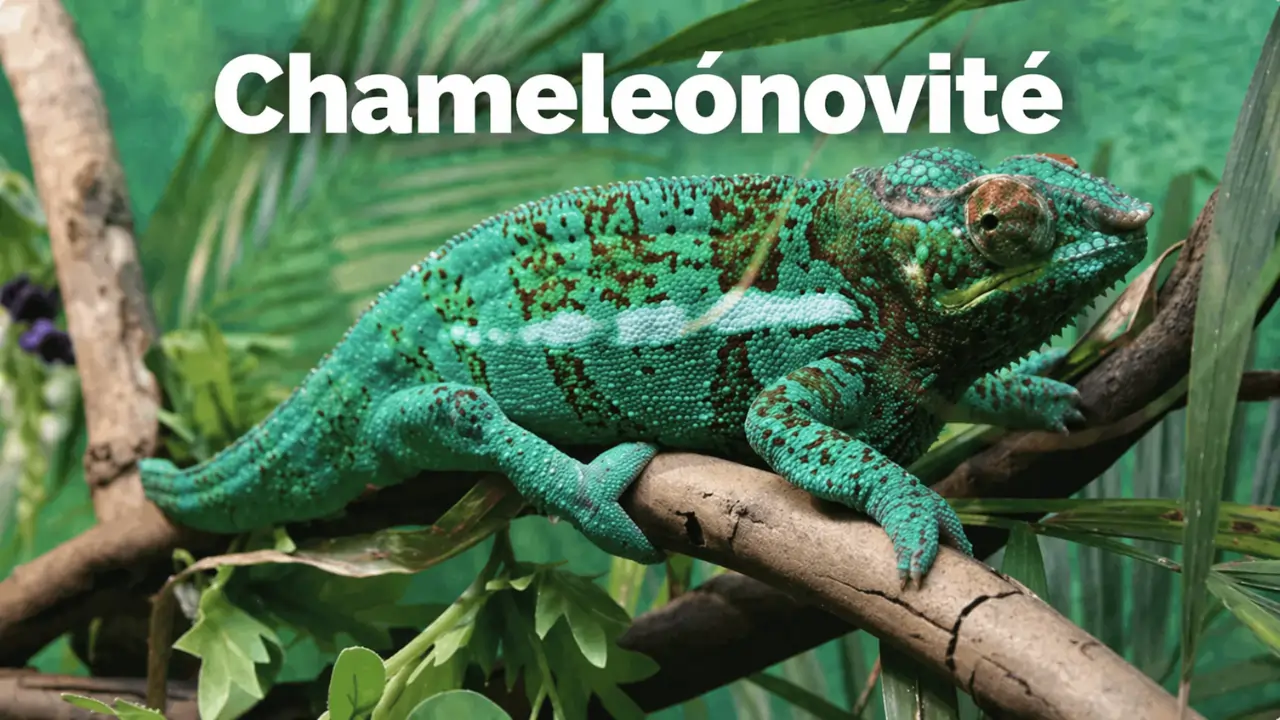
Chameleónovité are a unique family of reptiles widely known for their remarkable physical abilities and adaptive nature. These tree-dwelling lizards are most commonly found in Africa and Madagascar, although some species exist in parts of Europe and Asia. The name chameleónovité refers to a group of reptiles that have evolved highly specialized features, making them one of the most distinctive creatures in the animal kingdom.
Their ability to change color often draws the most attention, but chameleónovité are far more complex than this single trait. Their entire body structure, from eyes to tail, is designed for survival in challenging environments.
Habitat and Distribution of Chameleónovité
Chameleónovité live across a wide range of environments, which shows their adaptability. Most species are concentrated in tropical and subtropical regions, especially Madagascar, where a large number of species exist.
They can be found in different habitats such as:
Forest Environments
Many chameleónovité prefer dense forests where they can blend into leaves and branches. These areas provide both shelter and a steady supply of insects.
Dry and Arid Regions
Some species have adapted to survive in deserts and dry regions. Their bodies are capable of conserving water, allowing them to live in harsh climates.
Mountain and Grassland Areas
Certain chameleónovité species live in higher altitudes and open landscapes. These environments require different survival strategies, including temperature regulation and camouflage.
Physical Features of Chameleónovité
Color Changing Mechanism
The most recognized feature of chameleónovité is their ability to change color. This process is controlled by specialized cells in their skin. Color changes are used for communication, temperature control, and expressing mood rather than just hiding from predators.
Independent Eye Movement
Chameleónovité have eyes that can move independently. This allows them to observe two directions at once without moving their head. It provides a wide field of vision and helps in detecting prey and danger.
Body Structure and Movement
Their bodies are laterally compressed, which helps them move easily through branches. Chameleónovité also move slowly and carefully, mimicking the motion of leaves swaying in the wind.
Specialized Feet and Tail
Their feet are designed to grip branches tightly, functioning like natural clamps. The tail is prehensile, meaning it can wrap around branches for extra support and balance.
Fast and Accurate Tongue
Chameleónovité possess a long tongue that can shoot out rapidly to catch prey. This tongue is one of the fastest hunting tools in the reptile world.
Behavior and Lifestyle
Solitary Living
Most chameleónovité prefer to live alone. They are territorial and usually avoid interaction with others except during mating periods.
Hunting Strategy
They rely on patience rather than speed. Chameleónovité stay still for long periods, observing their surroundings before striking their prey with precision.
Communication Through Colors
Color plays an important role in their behavior. Bright colors may indicate dominance, while darker shades can signal stress or submission.
Diet and Feeding Habits
Chameleónovité are primarily insect eaters. Their diet includes crickets, grasshoppers, and other small insects. Larger species may occasionally consume small vertebrates.
Their feeding process involves:
- Careful observation of prey
- Precise targeting using both eyes
- Rapid tongue projection
- Immediate capture and consumption
This method allows chameleónovité to hunt efficiently while conserving energy.
Reproduction and Life Cycle of Chameleónovité
Reproduction among chameleónovité varies by species. Most species lay eggs, which are buried in soil or hidden in safe locations. The incubation period can last several months.
Some species give birth to live young, which is beneficial in colder environments. After birth or hatching, young chameleónovité are independent and must survive on their own from the beginning.
Ecological Role and Importance
Chameleónovité play a significant role in maintaining ecological balance. By feeding on insects, they help control pest populations. This contributes to the health of ecosystems and supports agricultural stability.
They also act as indicators of environmental health. Changes in their population can reflect shifts in climate, habitat quality, or biodiversity.
Interesting Facts About Chameleónovité
- Chameleónovité can detect ultraviolet light
- Their tongue can extend longer than their body
- Some species show biofluorescence under certain light conditions
- They have one of the most advanced visual systems among reptiles
- Each species has unique patterns and color responses
Conclusion
Chameleónovité are a remarkable example of nature’s ability to adapt and evolve. Their specialized features, from independent eyes to their powerful tongue, make them one of the most fascinating reptiles in the world. Understanding their behavior, habitat, and role in the ecosystem highlights their importance and the need to protect their natural environments.
FAQs About Chameleónovité
1. What are chameleónovité?
Chameleónovité are a family of reptiles known as chameleons, recognized for their color-changing ability and unique physical features.
2. Why do chameleónovité change color?
They change color for communication, temperature control, and expressing emotions, not just for camouflage.
3. Where are chameleónovité commonly found?
They are mainly found in Africa and Madagascar, with some species in Europe and Asia.
4. What do chameleónovité eat?
They primarily eat insects, but larger species may also consume small animals.
5. Are chameleónovité social animals?
No, they are mostly solitary and prefer living alone except during mating seasons.
You May Also Read: Gelboodu: Meaning, Features, and Digital Culture Explained