










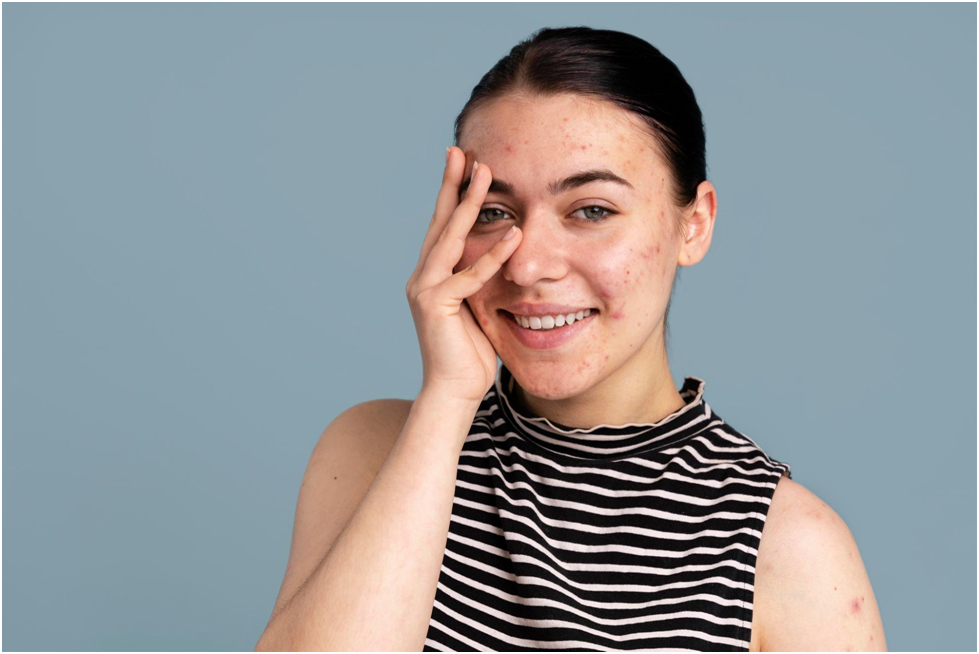
Skin is a record of how you live. It doesn’t respond dramatically to any single day, but it accumulates the pattern of your habits over weeks and months and makes them visible. The things you do consistently, the way you sleep, what you eat, how much sun exposure you accumulate without protection, whether you smoke, how you manage stress – all of this shows up in the skin over time in ways that no amount of topical skincare can fully compensate for.
Understanding which habits matter most, and why, makes it easier to make choices that produce genuinely better skin rather than choices that feel like skincare without doing much.
Sleep: More Than Just Recovery
Sleep is when the skin does most of its repair work. Growth hormone, released primarily during deep sleep stages, supports tissue regeneration and collagen synthesis. The immune activity that addresses environmental damage from the day is concentrated overnight. Cortisol, which breaks down collagen and drives inflammation, drops during sleep and rises again on waking.
The visible effects of disrupted sleep accumulate faster than most people realise. A few consecutive nights of poor sleep produce measurable changes in skin hydration, barrier function, and the appearance of fine lines. Chronic sleep insufficiency, the kind that runs for months or years, produces more structural changes that are harder to reverse.
Sleep position is also relevant in ways that don’t get discussed enough. Sleeping consistently on one side compresses the skin against a pillow for hours, gradually deepening lines asymmetrically. Back sleeping eliminates this compression entirely.
Hydration and Diet
Skin hydration is influenced by both topical moisture and systemic hydration. Drinking adequate water keeps the skin cells plump and supports the barrier function that retains moisture. Chronic mild dehydration, which is common and often unrecognised, produces visible dullness and accentuates fine lines.
Diet has more direct influence on skin than the skincare industry sometimes acknowledges, partly because acknowledging it doesn’t sell products. High sugar intake accelerates glycation, a process in which sugar molecules bind to collagen and elastin fibres, making them stiffer and more prone to breaking down. The visible effect is earlier loss of firmness and elasticity.
Adequate protein is essential for collagen synthesis. Essential fatty acids support the skin’s lipid barrier. Antioxidants from a varied diet of vegetables and fruit help manage the oxidative stress that contributes to skin ageing. These aren’t dramatic interventions. They’re the nutritional background against which everything else the skin does occurs.
Sun Exposure
The contribution of UV radiation to visible skin ageing is larger than most people appreciate. Estimates from dermatological research attribute most of what we call skin ageing to cumulative UV exposure rather than chronological age alone. Pigmentation changes, texture irregularities, the loss of collagen and elastin, and the development of lines and laxity: a significant proportion of these are photoageing rather than time.
Daily broad-spectrum SPF is not optional if skin health is a genuine priority. The difference in skin quality at forty or fifty between consistent daily sun protection and inconsistent or no sun protection is visible and significant. SPF also plays a direct role in any scar treatment programme: UV exposure darkens scar tissue and actively undermines the improvement that other treatments are working to produce. Protecting a healing or treated scar from the sun is one of the most impactful things a patient can do to support the outcome.
Smoking
Smoking is one of the most aggressive accelerators of skin ageing, through several simultaneous mechanisms. It reduces blood flow to the skin, limiting oxygen and nutrient delivery. It generates significant oxidative stress. It breaks down collagen directly. And it produces the repeated facial movements, the pursing and squinting, that deepen specific lines over time.
The skin effects of smoking are systemic and structural in a way that no topical intervention adequately addresses. Stopping smoking produces improvements in skin tone and circulation relatively quickly, but the structural damage from years of smoking accumulates and remains.
Stress
The relationship between stress and skin is mediated primarily through cortisol. Elevated cortisol drives sebaceous activity, contributing to congestion and breakouts. It impairs the skin’s barrier function, increasing transepidermal water loss and sensitivity. It suppresses the immune responses that keep inflammatory skin conditions in check.
Chronic stress also tends to compound its skin effects through the behaviours it drives: disrupted sleep, less careful nutrition, increased alcohol consumption, reduced exercise. Managing stress for skin health means managing it at the source rather than adding products to compensate for the downstream effects.
When Habits Aren’t Enough
For most people, establishing good habits produces better skin meaningfully over time. But habits have limits, and some lifestyle-influenced skin concerns have an underlying structural or anatomical component that lifestyle change doesn’t address.
Post-inflammatory scarring from acne, injury, or surgery involves changes to the dermis that no dietary improvement or sleep schedule will reverse. Significant pigmentation changes may have responded to sun protection if established earlier but are now beyond what topical management alone can shift. The texture changes associated with certain types of scar treatment recovery require professional intervention to optimise.
Recognising the boundary between what habits can improve and what needs professional assessment is what makes a skincare approach intelligent rather than hopeful. Habits form the foundation. They don’t replace the ceiling.