









Introduction
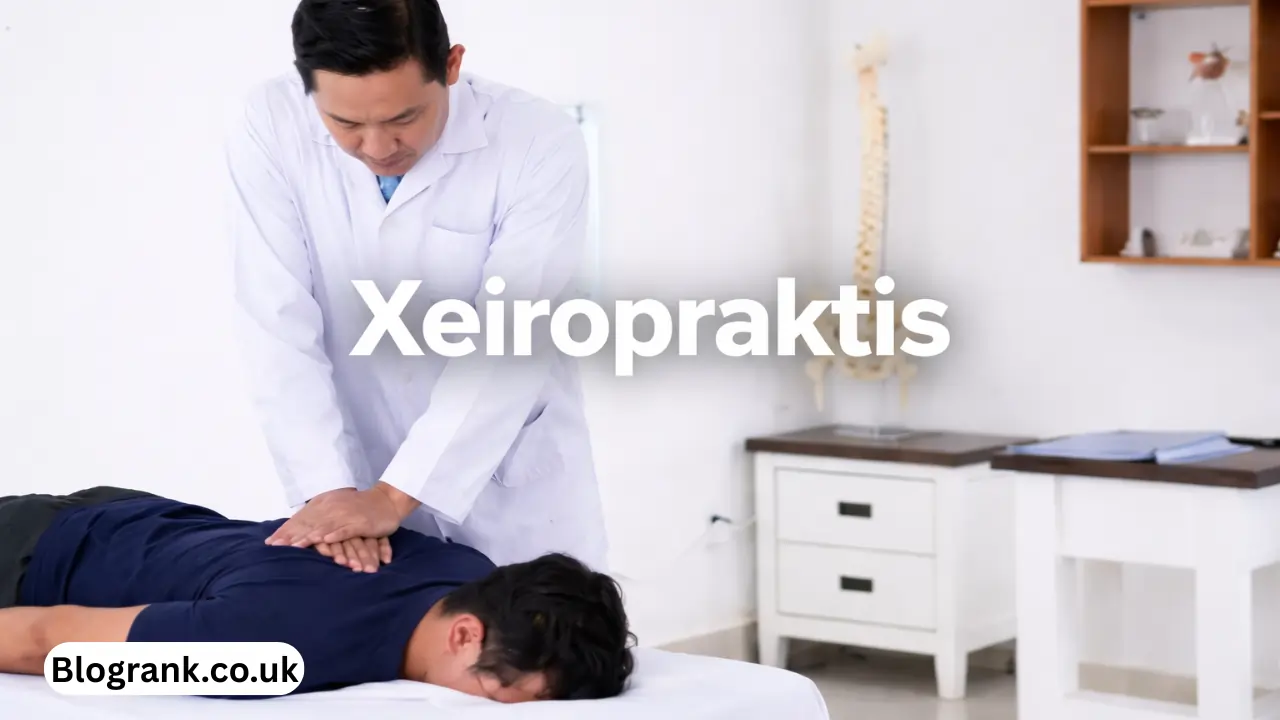
Xeiropraktis is a hands-on treatment method focused on improving body movement and reducing pain through manual techniques. The word comes from Greek, where “cheir” means hand and “praktikos” means practice. Together, xeiropraktis refers to treatment performed using the hands.
This approach is widely known today as chiropractic care. It is commonly used by people dealing with back pain, neck stiffness, joint discomfort, and posture-related problems. Unlike many medical treatments, xeiropraktis does not rely on surgery or medication, which is why it attracts those looking for a more physical and natural method of care.
What Does Xeiropraktis Mean?
Xeiropraktis directly translates to “done by hand,” which reflects its core principle. The entire treatment process is based on manual adjustments made to the spine and other parts of the body.
Practitioners who perform xeiropraktis focus on restoring proper alignment and movement. When joints are not functioning correctly, they can create pressure on surrounding tissues and nerves. By applying controlled force, the practitioner aims to bring the body back into a more balanced state.
This meaning is important because it defines the difference between xeiropraktis and other forms of treatment that rely heavily on machines or medication.
History and Development of Xeiropraktis
Although the term xeiropraktis has Greek origins, modern chiropractic care began in 1895 in the United States. Daniel David Palmer is credited with introducing the first spinal adjustment as a formal treatment.
Early forms of this practice were influenced by traditional bonesetting methods, where healers manually adjusted joints to relieve pain. Over time, xeiropraktis developed into a structured profession with training programs, licensing systems, and clinical standards.
Today, it is practiced worldwide, though its acceptance varies depending on the medical system and region.
How Xeiropraktis Works
Spinal Adjustments
The main technique used in xeiropraktis is spinal adjustment. This involves applying a quick, controlled force to a joint that is not moving properly. The goal is to improve mobility and reduce discomfort.
Joint Manipulation
In addition to the spine, other joints such as shoulders, knees, and hips may also be treated. These adjustments help restore movement and reduce stiffness.
Soft Tissue Techniques
Some practitioners include muscle work, stretching, and pressure techniques to reduce tension and support recovery.
The basic idea behind xeiropraktis is that proper alignment allows the body to function more efficiently. When movement improves, pain often decreases as a result.
Common Conditions Treated with Xeiropraktis
Back Pain
Back pain is the most common reason people seek xeiropraktis. Long hours of sitting, poor posture, and physical strain can lead to discomfort that responds well to manual adjustments.
Neck Pain
Neck stiffness and pain are often caused by screen use and poor positioning. Xeiropraktis can help restore flexibility and reduce tension in this area.
Headaches
Certain headaches are linked to tension in the neck and upper spine. Adjustments may help reduce the frequency and intensity of these headaches.
Joint Issues
Problems in joints such as the shoulders, knees, and hips can also be managed through xeiropraktis by improving movement and reducing pressure.
Benefits of Xeiropraktis
Xeiropraktis is often chosen for its practical and non-invasive approach. It focuses on physical correction rather than chemical treatment.
Key benefits include:
- Relief from back and neck pain
- Improved joint mobility
- Better posture
- Reduced muscle tension
- Support for recovery after physical strain
Many people prefer xeiropraktis because it avoids long-term medication use and focuses on correcting the root cause of discomfort.
Risks and Limitations of Xeiropraktis
While xeiropraktis is widely used, it is not without limitations. Some individuals may experience mild side effects such as soreness or stiffness after treatment.
In rare cases, more serious complications can occur, especially with neck adjustments. This is why it is important to choose a qualified and experienced practitioner.
There is also ongoing debate in the medical field about certain chiropractic theories. While xeiropraktis is effective for pain relief and mobility, broader claims about overall health improvement are still questioned.
Who Should Consider Xeiropraktis?
Xeiropraktis is suitable for people who are dealing with:
- Chronic back or neck pain
- Posture-related discomfort
- Joint stiffness
- Limited mobility
It is especially useful for individuals who want a non-surgical and drug-free approach to treatment.
However, it may not be appropriate for everyone. People with severe bone conditions, spinal injuries, or certain medical risks should consult a healthcare professional before starting xeiropraktis.
The Role of Xeiropraktis in Modern Healthcare
Today, xeiropraktis is often combined with other therapies such as physical rehabilitation, exercise programs, and lifestyle adjustments. This integrated approach has helped improve its acceptance in many healthcare settings.
It is commonly used for managing musculoskeletal conditions, especially those related to daily habits like sitting for long hours or repetitive strain.
Despite ongoing debates, xeiropraktis continues to be a widely chosen option for people seeking relief from everyday pain.
Conclusion
Xeiropraktis is built on a simple idea: using the hands to restore movement and reduce discomfort. Its focus on manual treatment makes it different from many modern medical approaches.
For people dealing with back pain, neck stiffness, or joint issues, xeiropraktis offers a practical and direct method of care. Understanding how it works, along with its benefits and risks, allows individuals to make informed decisions about whether it is the right option for them.
FAQs
1. What is xeiropraktis?
Xeiropraktis is a hands-on treatment method that uses manual adjustments to improve movement and reduce pain in the body.
2. Is xeiropraktis safe for everyone?
It is generally safe for most people, but individuals with certain medical conditions should consult a professional before starting treatment.
3. How many sessions of xeiropraktis are needed?
The number of sessions depends on the condition. Some people see improvement quickly, while others may need ongoing care.
4. Can xeiropraktis help with posture?
Yes, xeiropraktis can improve posture by correcting alignment and reducing muscle tension.
5. Does xeiropraktis replace medical treatment?
Xeiropraktis focuses on physical therapy and pain relief. It does not replace medical care for serious health conditions.
You May Also Read: Repmold: Meaning, Applications, Benefits and Role in Modern Systems